
The Nature of Luck in Gambling
Luck is often regarded as a fundamental element in the realm of gambling, particularly in casinos where chance games dominate. In such settings, players frequently rely on the notion of luck to explain their wins or losses. This perception stems from the unpredictable nature of casino games, where outcomes are determined by random variables. While skill and strategy can enhance a player’s experience, the underlying truth is that luck plays a crucial role, influencing the results of games such as slots, roulette, and blackjack. Many gamblers also seek to find reputable online casino sites that offer games where luck can be tested and enjoyed.

The randomness of many casino games means that even the most skilled players cannot consistently predict outcomes. This reality forms the basis for the belief that luck can be a decisive factor in gaming success. For instance, in games where the odds are heavily stacked against players, a stroke of luck can mean the difference between a huge win and a devastating loss. Hence, understanding luck’s role is vital for anyone looking to navigate the casino landscape effectively.
Luck vs. Skill: A Balancing Act
While luck is undeniably a key component of casino success, it exists in a delicate balance with skill. In games that require strategic thinking, such as poker, players can leverage their knowledge and experience to make informed decisions. However, even the best strategies cannot eliminate the element of chance inherent in these games. The interplay between luck and skill creates a dynamic gaming environment, where players must adapt to the whims of fortune while applying their expertise.
This balancing act not only affects individual games but also contributes to the overall experience of gambling. Knowing when to rely on skill and when to accept the whims of fate can significantly impact a player’s mindset, ultimately influencing their success. Therefore, recognizing this relationship is essential for anyone serious about gambling.
The Psychological Impact of Luck
The impact of luck extends beyond mere statistics and outcomes; it also profoundly affects players’ psychological states. The belief in luck can lead to a myriad of emotions, from excitement and hope to frustration and despair. Players often engage in rituals or superstitions, convinced that these actions can sway luck in their favor. This phenomenon can create a compelling narrative around the gambling experience, as players seek to harness their luck in pursuit of fortune.
Moreover, the psychological effects of luck can influence betting patterns and bankroll management. A player who experiences a lucky streak may become overly confident, leading to riskier bets. Conversely, a player who feels unlucky may withdraw, affecting their overall participation in gaming. Understanding these psychological nuances allows players to approach gambling more strategically, ensuring that their decisions are informed by a clear understanding of luck’s role.
The Role of Randomness in Casino Games
In the casino ecosystem, randomness is a crucial component that underscores the importance of luck. Every game is designed with random outcomes in mind, whether it be through the use of random number generators in electronic games or the shuffling of cards in table games. This randomness ensures that each player’s experience is unique, generating excitement and uncertainty. However, it also means that players must accept that luck will govern their success to a significant degree.
Understanding how randomness works can empower players to make better choices. For instance, recognizing that past outcomes do not influence future results can help players avoid falling into the gambler’s fallacy—a common trap where players believe they can predict future results based on previous games. By acknowledging the role of randomness in their gaming choices, players can foster a healthier attitude towards luck and risk.
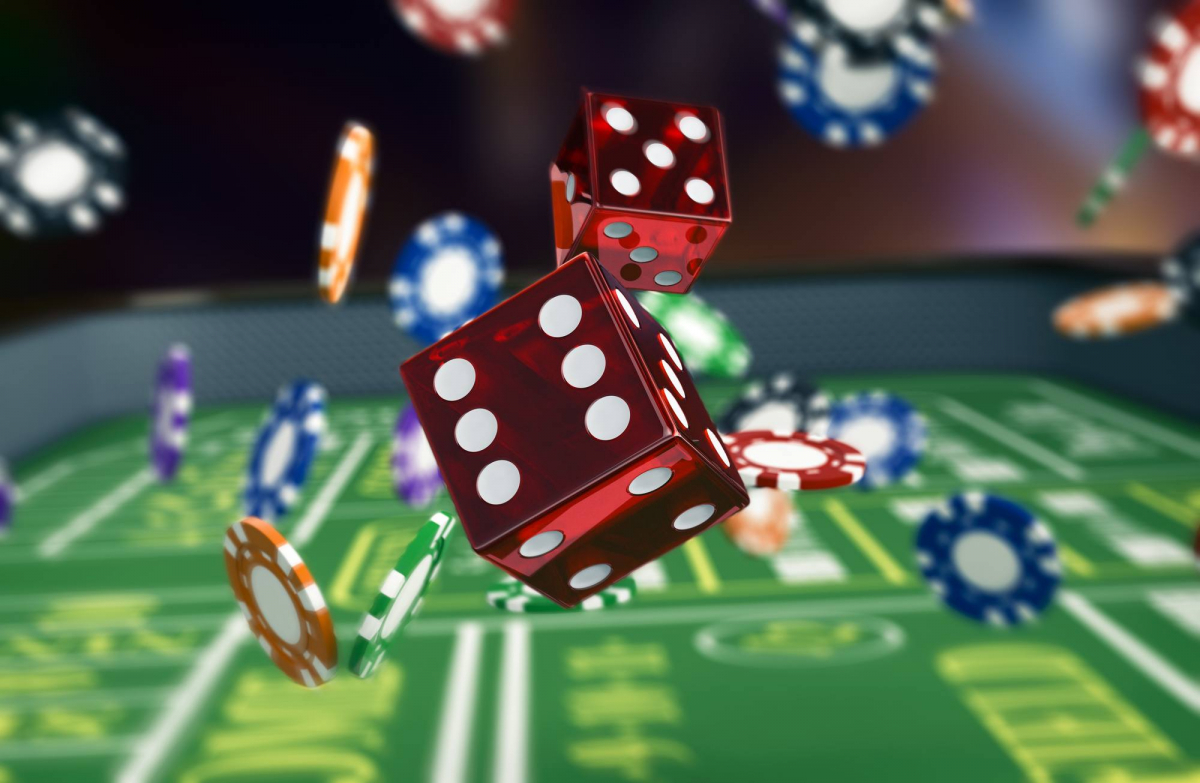
Exploring Theatrical Reflections on Gambling
As we delve into the intricacies of luck in casino success, it’s imperative to highlight the broader cultural narratives that surround gambling. The thrill of luck and chance has often found its way into theatrical productions, where stories of fortune and misfortune captivate audiences. These narratives not only entertain but also reflect the psychological and emotional complexities associated with gambling. Productions that address themes of luck can provide audiences with insights into the human experience of risk and reward.
By engaging with theatrical content that explores gambling themes, individuals can gain a deeper appreciation of the role luck plays in their own lives and the lives of others. Whether it’s through a dramatic performance or an engaging story, the connection between luck and gambling transcends the casino floor, offering rich material for reflection and discussion. Understanding these artistic interpretations can enhance one’s perspective on both luck and the broader implications of gambling within society.