
The Role of Color in Casino Environments
Color psychology plays a pivotal role in casino design, influencing players’ moods and behaviors. Warm colors like red and gold are strategically employed to evoke excitement and urgency, encouraging players to engage with the games. These colors stimulate feelings of enthusiasm and warmth, making guests feel welcomed and energized, especially when they enjoy the online casino instant withdrawal features available. On the other hand, cooler colors like blue and green are often utilized in rest areas to promote relaxation and calmness, creating a balance amid the high-energy gaming zones.
Moreover, the choice of colors extends beyond aesthetics; it also affects the perception of time. A cleverly designed casino with vibrant colors can make the hours spent gaming feel like mere moments. This is crucial as casinos aim to keep players inside for as long as possible. The psychological impact of colors can make patrons feel more comfortable while also heightening their senses, potentially leading them to gamble more than they originally planned.
Interestingly, casinos often employ a variety of color schemes throughout their spaces to create distinct atmospheres. For example, upon entering the casino, guests might be welcomed by vibrant reds and yellows near the entrance, stimulating excitement. As they venture deeper, colors might shift to darker shades to embody a more mysterious and intimate gaming experience. This manipulation of color not only enhances the overall aesthetic but deliberately guides the emotional journey of the patrons.
Spatial Layout and Flow
The spatial layout of a casino is meticulously crafted to optimize player engagement. The design often features an open layout to encourage exploration and flow. By strategically placing game tables and machines in an inviting manner, casinos can lead players through the space in a seamless journey. This design encourages patrons to venture from one gaming area to another, increasing the likelihood of them playing more games. The importance of flow cannot be underestimated as it keeps patrons moving and engaged.
Furthermore, the absence of clocks or windows in many casino designs is a deliberate decision rooted in psychology. By eliminating external time cues, casinos create an environment where players lose track of time, allowing them to immerse themselves deeper in the gaming experience. The layout, coupled with this absence of time indicators, ensures that guests can become fully engrossed in their activities without the distractions of the outside world.
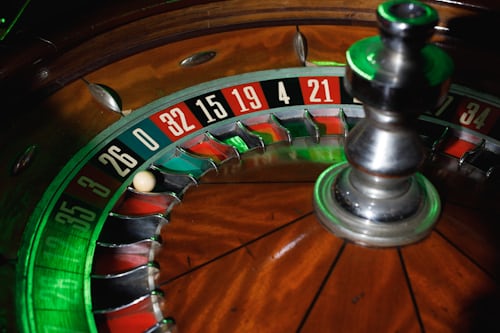
In addition to physical movement, the arrangement of gaming machines and tables promotes social interaction, which is a crucial aspect of the casino experience. Grouped tables encourage players to share experiences, thus fostering a sense of community. This social aspect can enhance players’ enjoyment and may lead to longer gaming sessions, as individuals are more likely to continue playing when surrounded by friends or upbeat conversation.
Lighting and Ambience
The ambient lighting within a casino is another critical factor influencing player behavior. The use of bright, focused lighting on gaming tables and machines draws attention and creates an enticing atmosphere. This lighting is often contrasted with dimmer areas surrounding the gaming zones, guiding players’ focus towards opportunities for play. The well-calibrated illumination creates not only a visually appealing environment but also an enhanced sense of urgency, so guests feel compelled to join in on the excitement.
Lighting can also play a role in influencing emotions and enhancing experiences. For example, dynamic lighting that changes throughout the evening can create an atmosphere filled with anticipation. This creates a vivid ambiance that encourages players to participate more. Strategic use of lighting helps define different areas within the casino, signaling to guests where they may seek entertainment or relaxation, thereby enhancing their overall experience.
Moreover, casinos often utilize interactive lighting designs, such as LED displays, that sync with music and events within the space. These installations can evoke emotional responses, enhancing the overall atmosphere and enticing players to engage. The combination of lighting and sound serves to create a multi-sensory experience that captivates guests, making it hard for them to leave the thrilling environment.
Sound Design and Its Impact
Sound design is an often-overlooked component of casino architecture that significantly affects player psychology. The subtle background music in a casino plays a crucial role in encouraging guests to stay longer and enjoy their time. Upbeat, energetic music can elevate mood and create a festive atmosphere, while softer tunes may encourage relaxation. This psychological manipulation through sound helps to create a pleasurable experience overall, one that patrons are likely to want to repeat.
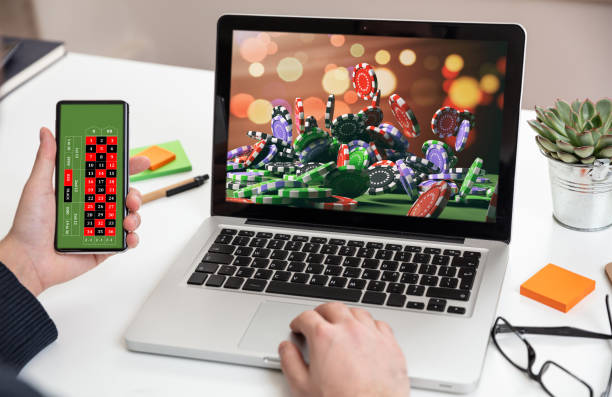
Additionally, the sounds associated with winning, such as ringing bells or celebratory music, are deliberately designed to reinforce positive behavior. These auditory cues serve to stimulate excitement and can condition players to associate gambling with rewarding experiences. As players hear these familiar sounds, they are often compelled to keep playing in hopes of experiencing the joy of winning again. This creates a cycle that keeps players engaged in the gaming atmosphere.
Interestingly, the volume levels in casinos are also carefully controlled to maintain an energetic yet manageable soundscape. Too loud, and it may become overwhelming; too quiet, and it could create a dull atmosphere. The optimal balance keeps the environment lively and engaging, encouraging players to interact with the games and each other. Thus, sound design is a significant yet subtle form of engagement that binds the entire casino experience together.
The Website and Its Role in Casino Design
The role of online platforms in promoting casino experiences cannot be overlooked. Websites serve as the digital front door to a casino, mirroring many of the psychological principles found in physical space designs. A well-designed website can evoke excitement and intrigue, enticing users to visit or engage with the casino’s offerings. Using similar color schemes and motifs can create a cohesive brand identity, drawing a parallel between the digital and physical worlds.
Moreover, websites often employ user-friendly navigation, ensuring that potential players can easily find information on games, promotions, and events. This accessibility is essential in retaining interest and guiding visitors toward creating accounts or making reservations. Just like in physical casinos, the primary aim is to keep visitors engaged, making them more likely to explore what the venue has to offer.
Furthermore, the integration of interactive features on websites, such as live streaming or virtual tours, enhances the user experience. These elements can replicate the excitement of being in a casino while allowing users to engage from the comfort of their homes. By creating an immersive online experience, casinos can attract a wider audience and extend the thrill of gaming far beyond their physical premises, making the website an integral part of the overall casino design strategy.